
Born from a real kitchen.
It started as two cousins delivering dinner. It didn't stay that way for long.
From a kitchen in Parede (Lisbon) to a plan for the world
In 2020, in the middle of the pandemic, Diogo Borges and his cousin Frederico Neves started delivering something they couldn't find anywhere else: vegan food that was practical, nutritious, and genuinely tasted good. Diogo came from tourism. Frederico flew planes. Neither had run a food business before.
By January 2021, deliveries had grown into a physical store in Parede, Portugal's first vegan butcher shop of its kind. Chef Luccas Paixão joined the kitchen soon after, and the plant-based range grew from there: burgers, meals, snacks, and sweets. For Luccas, cooking this way was never a trend to adopt. It was how he grew up eating, his family cooked with vegetables, plant protein, and spices as a matter of course, long before he ran professional kitchens like Boshq, at the Mercure Lisboa Almada. That's still the standard every recipe is built to: not an approximation of meat, a dish that was never missing anything to begin with.
People kept coming back. Then they brought someone else. National press took notice early, Time Out and Portugal's biggest morning show both featured the store as something new in Portugal's food scene, and a second location followed in Cascais. Then restaurants and supermarkets started asking for the same thing.
That demand for something bigger is what brought new leadership to the table. In February 2026, Mabílio de Albuquerque, together with a group of partners, took on a leadership role at ASÖKA. Mabílio founded Nata Pura in 2014, starting with a single product and a plan to take it far beyond Portugal. Today, Nata Pura is sold in 38 countries across Europe, Asia, Africa, the Americas, and Oceania, on the shelves of Costco, Pret a Manger, Domino's Pizza, and Paul Bassett in Korea. His ambition was never just to sell a product. It was to make people ask for a Nata Pura by name, the way they already do in South Korea, not just a pastel de nata.
The plan for ASÖKA follows the same logic: take a product people already love, and get it onto shelves and menus well beyond where it started.
What We Stand For
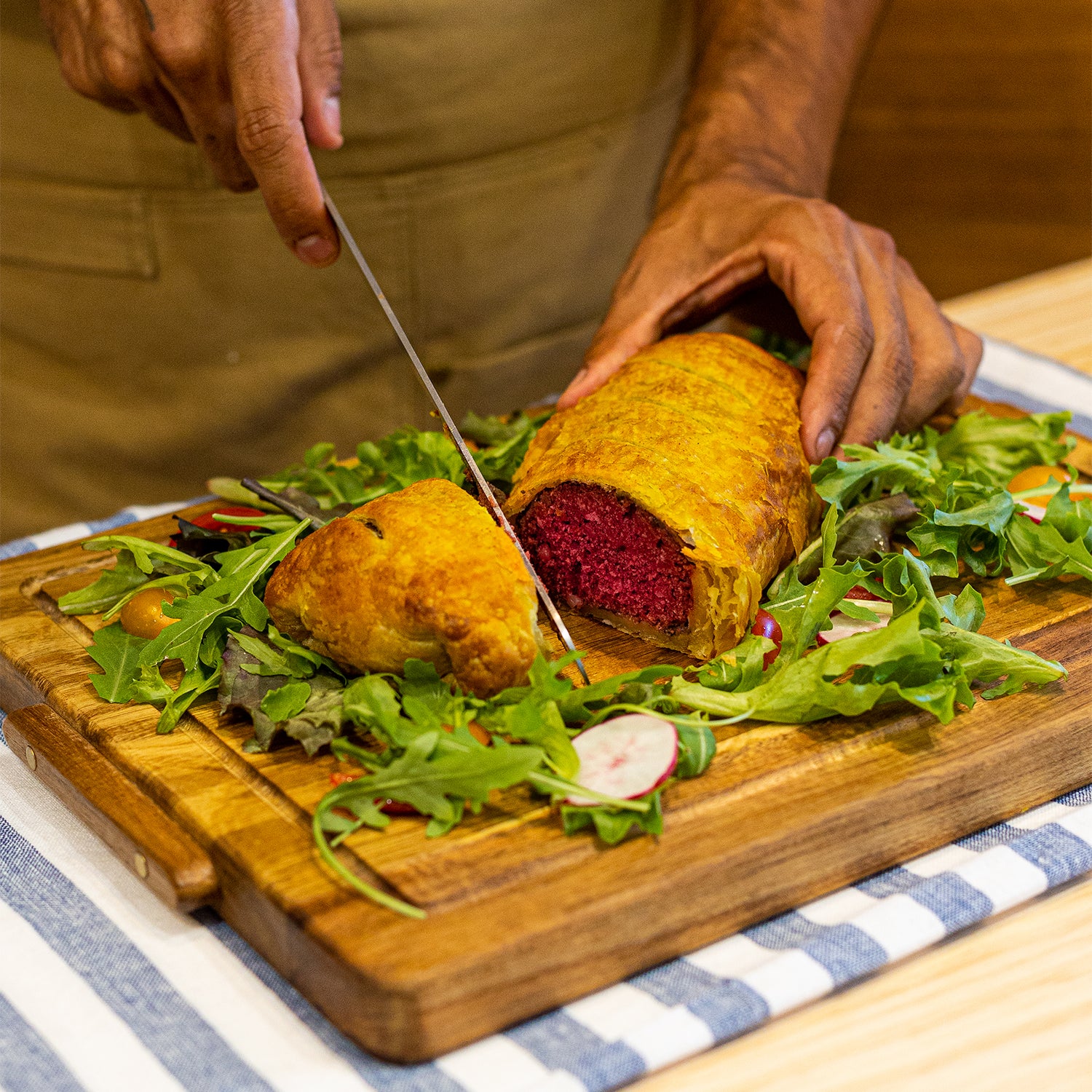
Mission
To bring plant-based food to the quality and reach it deserves, at the center of every table, not a niche shelf. Recipes built with real, recognizable ingredients. Made from what the earth offers, carefully preserved, ready in minutes.
Vision
A market where eating well and eating sustainably are the same choice, not a trade-off. Plant-based food that belongs to everyone, not to one diet or one lifestyle. Real ingredients as the standard choice, not the alternative one.
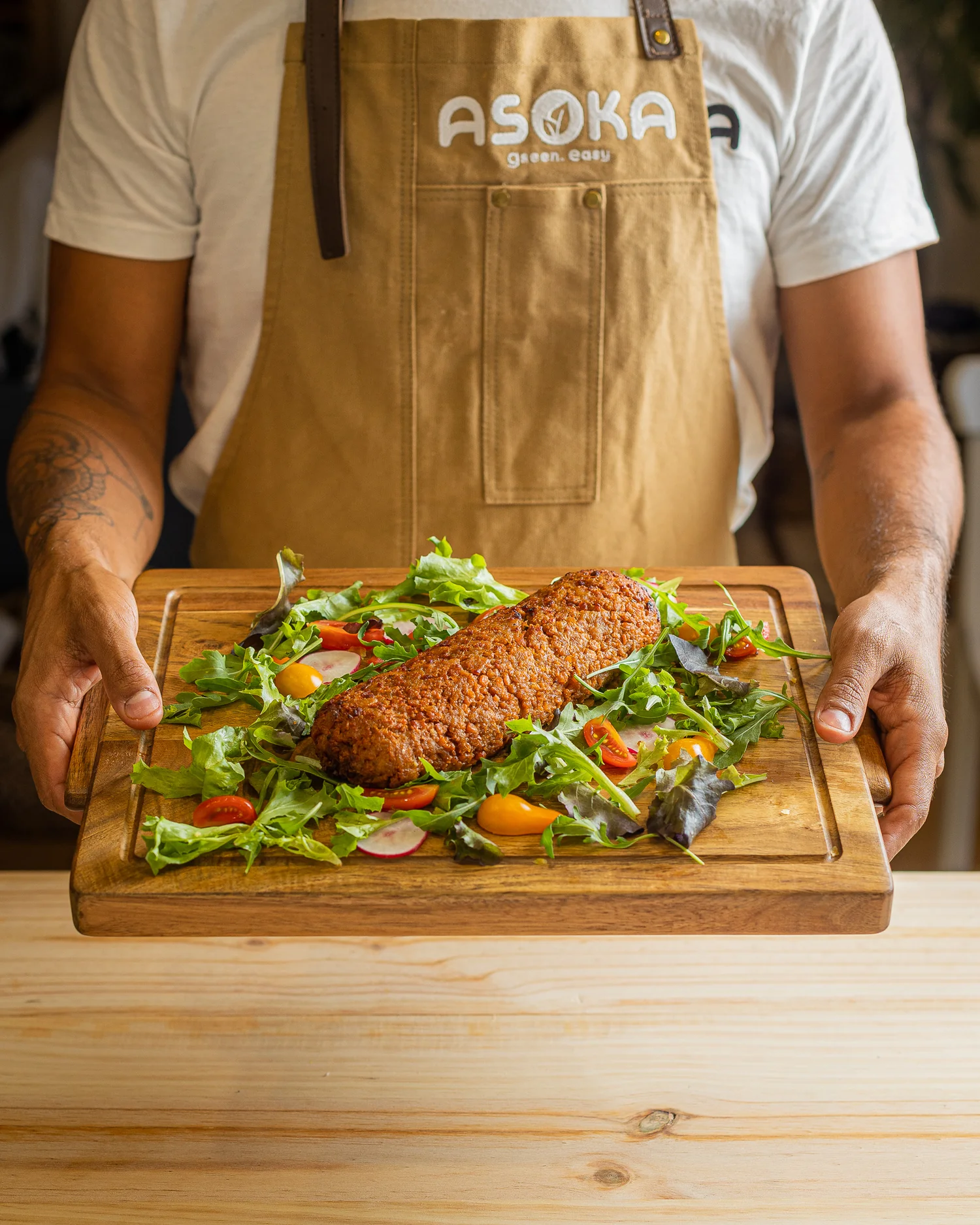
Values
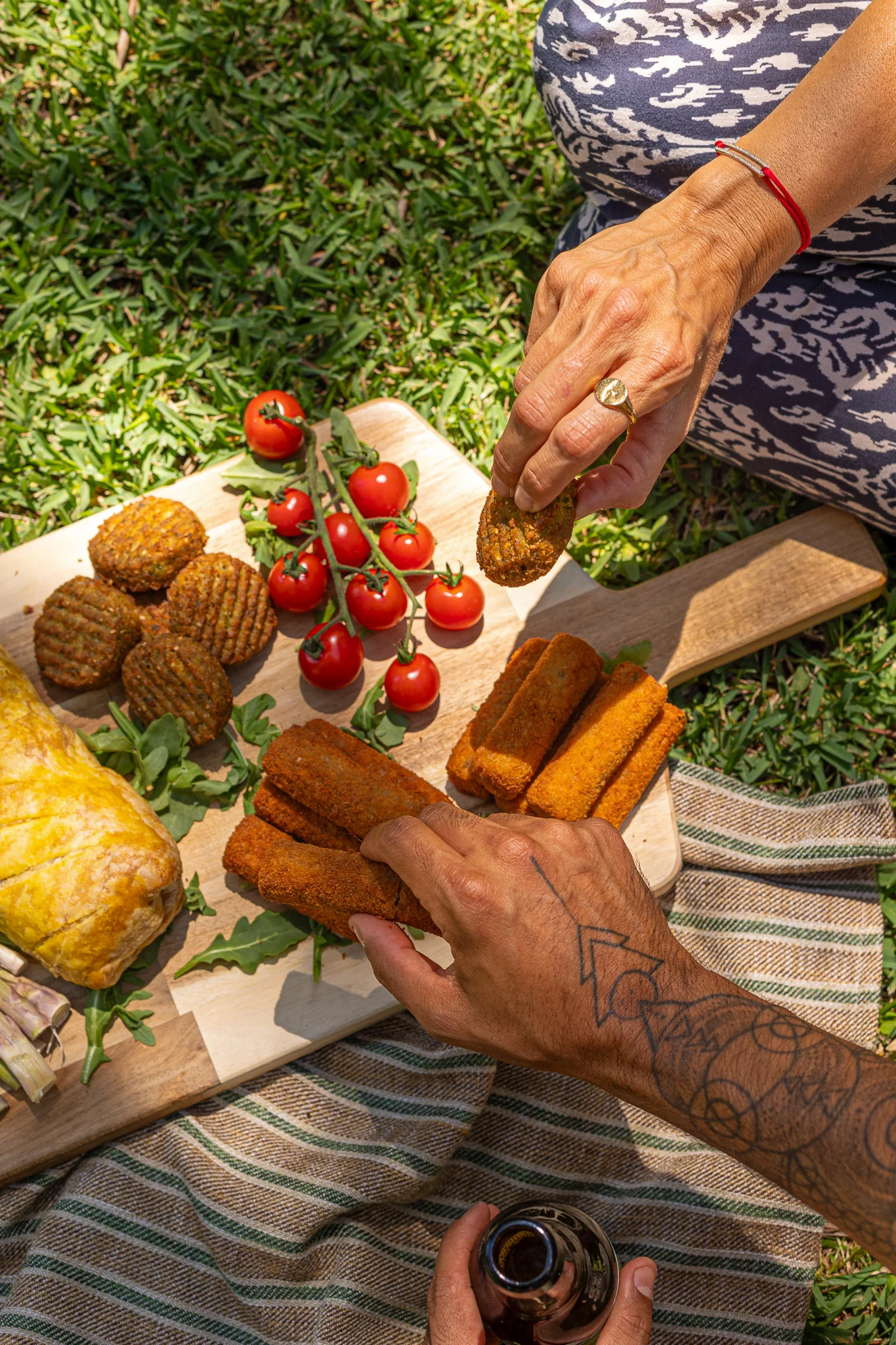
Rigor
We do less, to do it better. Every ingredient earns its place, every recipe has to prove itself before it ships, the same standard we'd want from a supplier ourselves.
Honesty
Our ingredients are real and recognizable. So is our communication. Full composition, allergen, and nutrition data for every product, published, not just promised.
Roots
We value where things come from: the ingredients we choose, the producers we work with, and the Portuguese kitchen this brand started in. Growth hasn't changed that, it's what got us here.
Inclusivity
Our food isn't built for one diet or one audience. It's built for anyone who wants to eat well, vegan, flexitarian, or simply curious, which means a wider shelf, and a wider customer base for every partner who carries it.